
A Guide to Selecting Bath & Shower Fittings for Luxury Projects.
A Guide to Selecting Bath & Shower Fittings for Luxury Projects
Luxury bathrooms are no longer defined only by expensive tiles, large spaces, or elaborate interiors. The right bath and shower fittings play an equally important role in creating a bathroom that feels refined, comfortable, functional, and visually cohesive.
For luxury residential projects, hotels, resorts, and premium commercial spaces, selecting bathroom fittings requires careful consideration of design, performance, durability, and installation requirements. The right fittings should complement the overall interior while delivering reliable performance for everyday use.
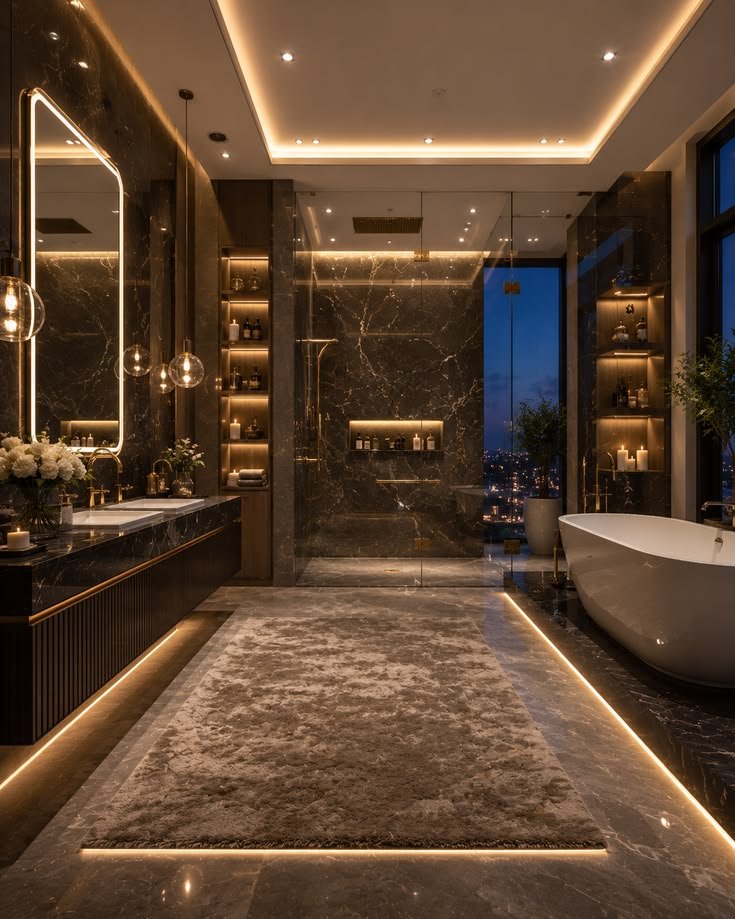
1. Start With the Project’s Design Concept
Before selecting individual fittings, understand the overall design language of the project. A contemporary bathroom may require clean lines and minimalist fittings, while a more traditional luxury space may work better with classic shapes and detailing.
The fittings should complement elements such as tiles, countertops, sanitaryware, mirrors, lighting, and bathroom accessories.
A coordinated approach helps create a visually balanced bathroom rather than making individual fixtures look disconnected from the rest of the design.
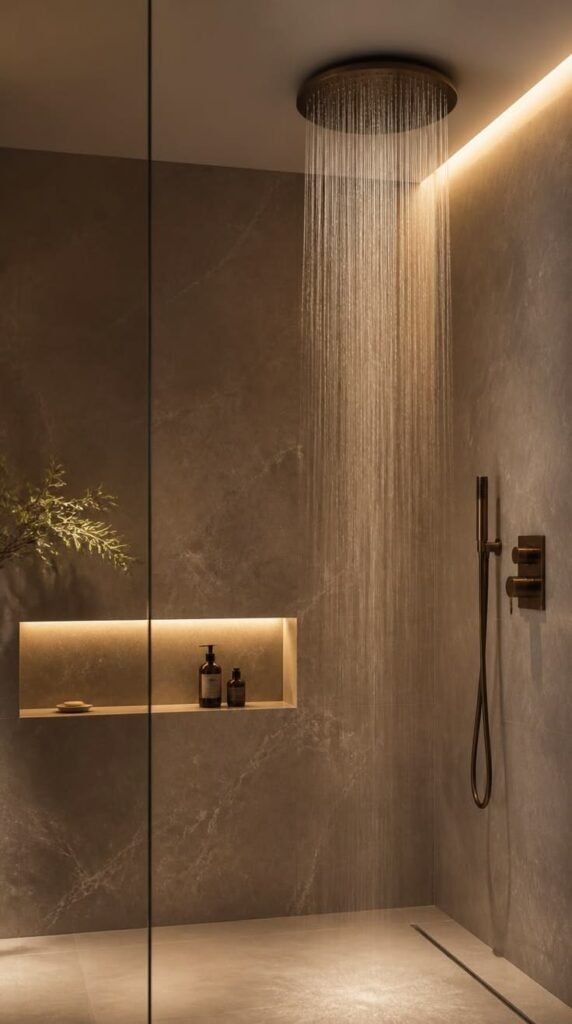
2. Select Fittings According to Usage
Every luxury project has different requirements. A private residential bathroom, luxury hotel, resort, and commercial property may have very different usage patterns.
For high-use environments, fittings should be selected with particular attention to durability, ease of maintenance, and consistent performance.
Consider the number of users, frequency of use, bathroom layout, and type of installation before finalizing the fittings.
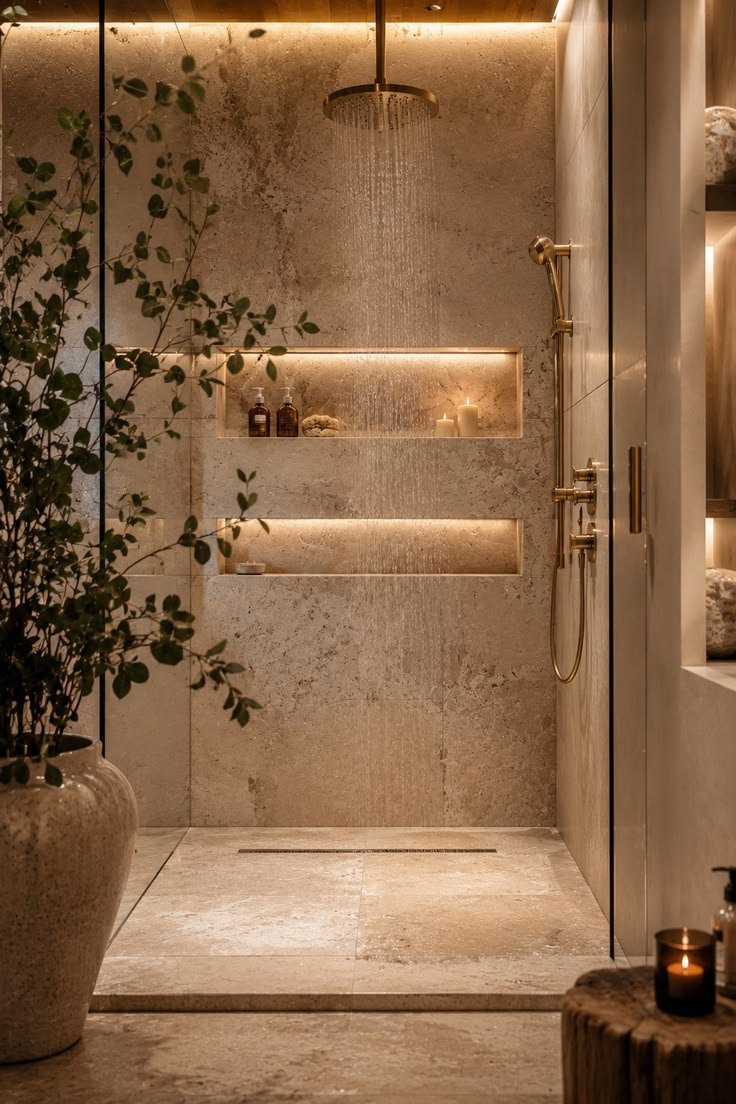
3. Choose the Right Shower System
The shower area is often one of the most important elements of a luxury bathroom.
Depending on the project, you can consider overhead showers, rain showers, hand showers, shower arms, and combination shower systems.
An overhead or rain shower can provide broad water coverage and create a comfortable showering experience, while a hand shower adds flexibility and convenience.
For premium projects, combining different shower elements can provide both functionality and a more complete shower experience.
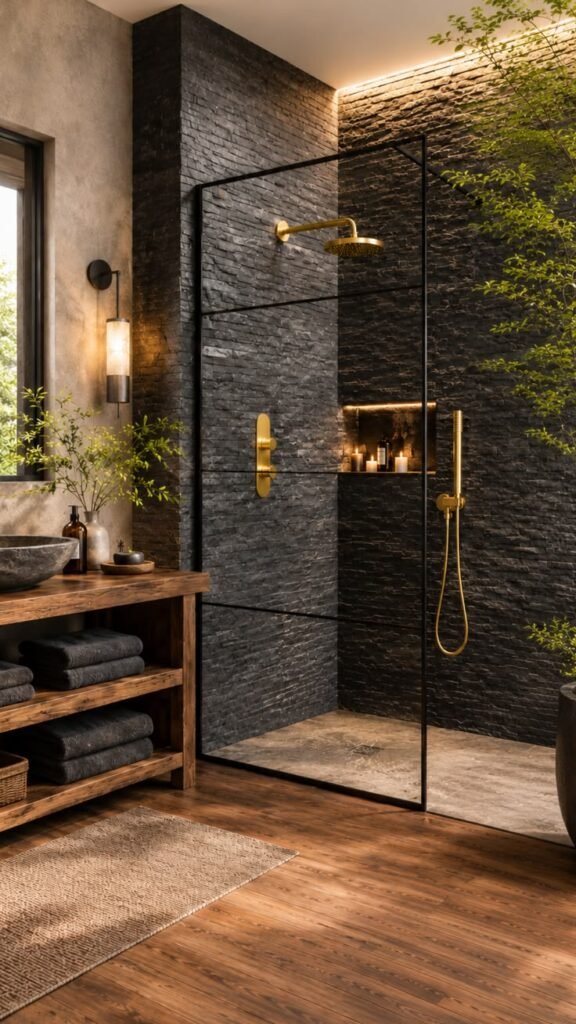
4. Pay Attention to Materials and Construction
Luxury does not simply mean an attractive appearance. The construction and material quality of bathroom fittings are equally important.
Fittings are exposed to water, humidity, temperature changes, and frequent handling. Therefore, selecting products designed for durability and reliable performance is essential.
For manufacturers, maintaining consistent production standards is particularly important when supplying fittings for large residential, hospitality, or commercial projects.
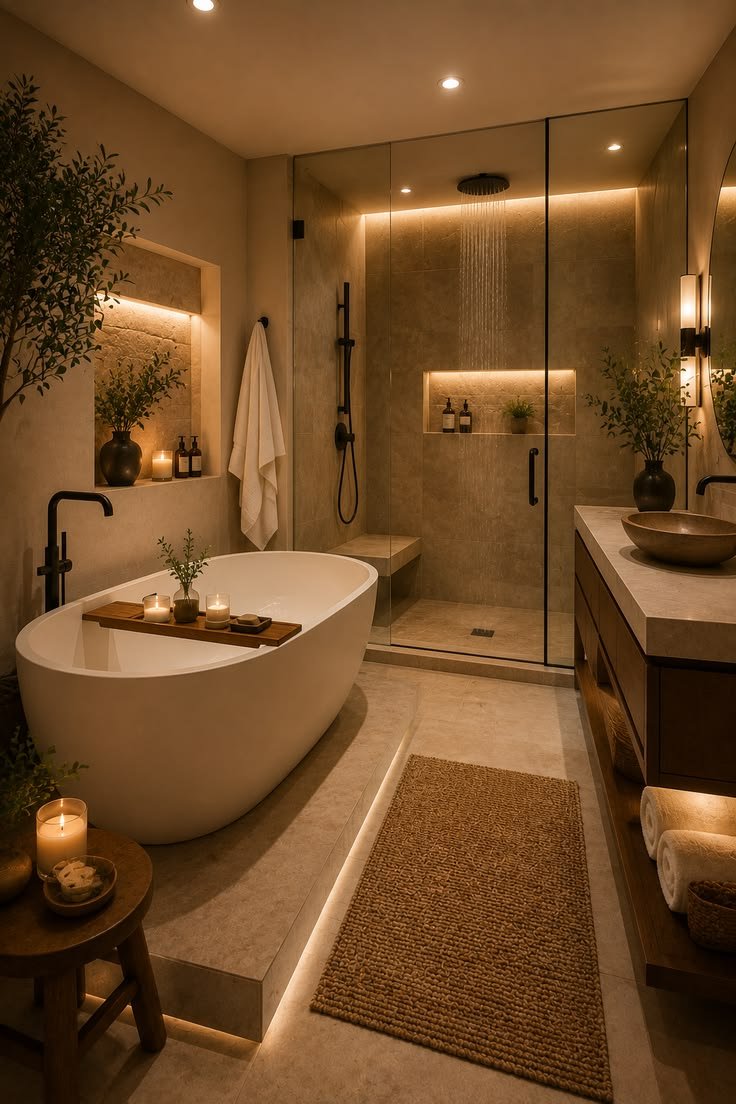
5. Select Finishes That Complement the Interior
The finish of a fitting can significantly influence the overall appearance of a bathroom.
Depending on the project’s design, options can include chrome, matte, brushed, and other contemporary finishes.
For example, polished finishes can create a clean and classic appearance, while matte and brushed finishes can work well with modern and minimalist interiors.
It is also important to maintain consistency. Faucets, shower fittings, flush plates, and other visible hardware should ideally complement one another rather than appearing mismatched.
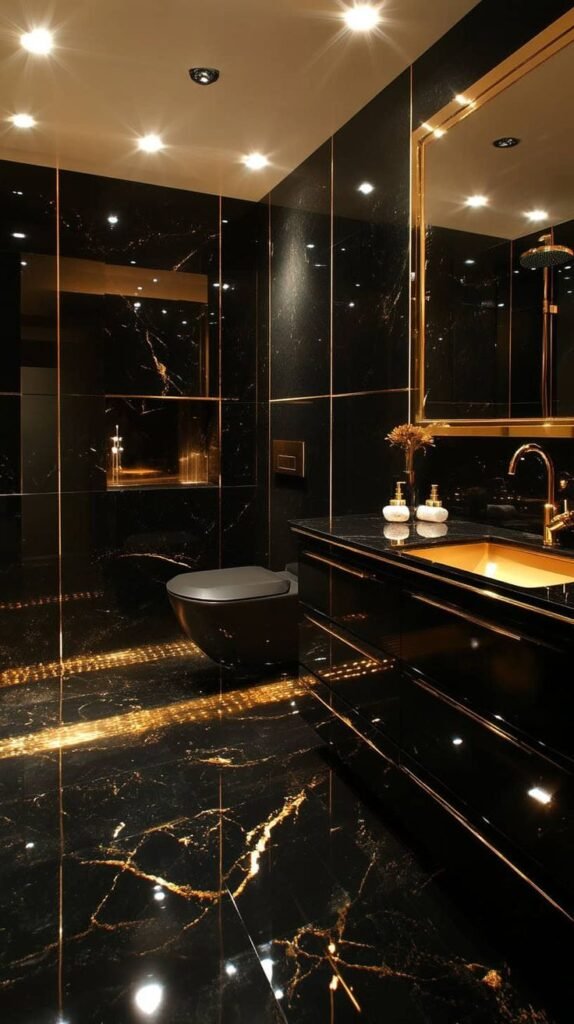
6. Consider Functionality Alongside Aesthetics
A luxury bathroom should be visually impressive, but it should also be comfortable and practical.
Consider factors such as the position and height of fittings, ease of operation, water flow, accessibility, available space, and maintenance requirements.
For example, a hand shower can provide additional flexibility, while a well-positioned overhead shower can improve the overall showering experience.
Good design is achieved when aesthetics and functionality work together.
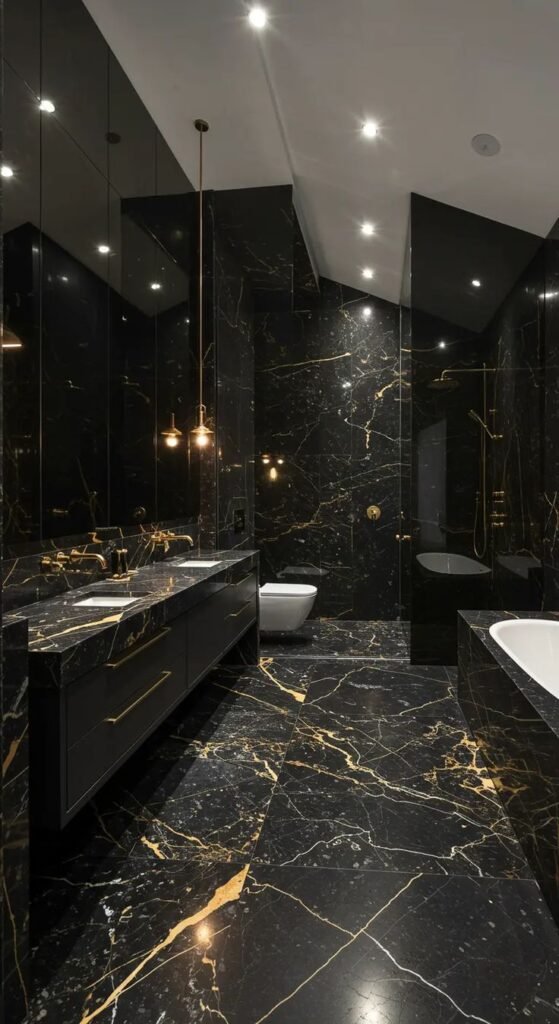
7. Consider Installation and Compatibility
Even high-quality fittings need to be compatible with the project’s plumbing system.
Before finalizing products, architects, designers, contractors, and project teams should review installation requirements, connection sizes, water pressure requirements, and available space.
Planning these details in advance can reduce installation complications and help ensure that the finished bathroom performs as intended.
For large projects, coordination between the manufacturer, designer, plumber, and contractor can be especially important.
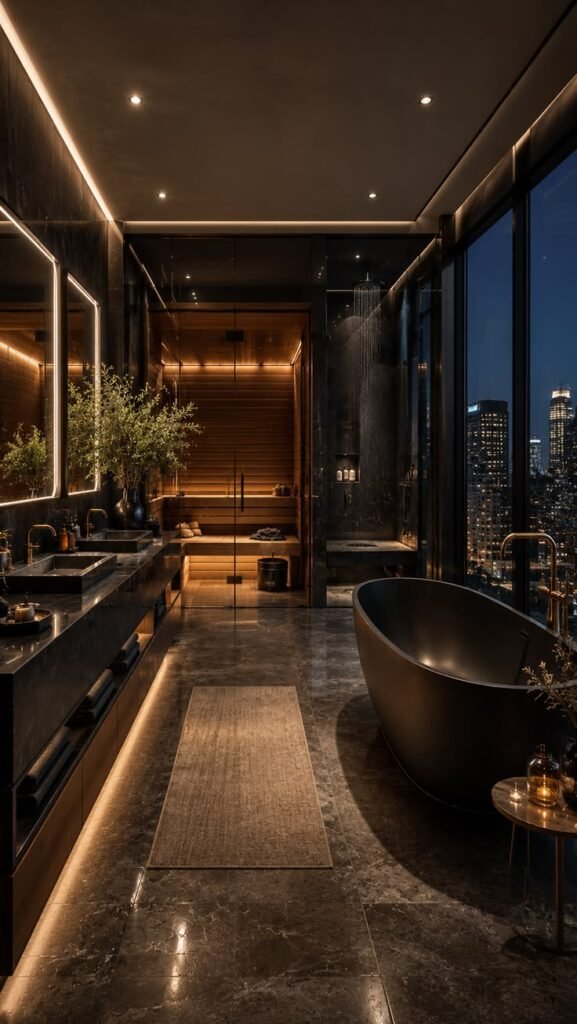
8. Think About Maintenance and Long-Term Performance
Luxury projects are expected to maintain their appearance and functionality over time. This makes maintenance an important factor when selecting bathroom fittings.
Choose fittings that are practical to clean and maintain. The selected finish should also be appropriate for the project’s environment and usage.
For hotels and commercial spaces, easy maintenance becomes particularly important because bathrooms may experience significantly higher usage than a typical residential bathroom.
Conclusion
Selecting bath and shower fittings for a luxury project involves much more than choosing products based on appearance. Designers and project teams need to consider the project’s design concept, usage, materials, finishes, functionality, installation requirements, maintenance, and long-term performance.
With careful planning and the right manufacturing partner, bath and shower fittings can become an important part of the overall luxury bathroom experience.
At Esstoy, the focus is on developing sanitary and bath & shower fittings that bring together contemporary aesthetics, functionality, and dependable manufacturing standards for modern bathroom projects.
Frequently Asked Questions
1. What should I consider when selecting bath and shower fittings for a luxury project?
Consider design, material quality, durability, finish, water flow, functionality, installation requirements, maintenance, and compatibility with the project’s plumbing system.
2. Which shower fittings are suitable for luxury bathrooms?
Depending on the project, options can include rain showers, overhead showers, hand showers, shower arms, and combination shower systems. The choice should depend on the bathroom layout, user requirements, water pressure, and overall design.
3. How important is the finish of bathroom fittings?
The finish has both aesthetic and practical importance. It contributes to the visual appearance of the bathroom and should complement other fixtures and interior elements.
4. Should all bathroom fittings have the same finish?
Using coordinated finishes can create a more cohesive appearance. However, the exact combination depends on the interior design concept and the desired visual style of the project.
5. Why is material quality important for luxury bathroom fittings?
Bathroom fittings are exposed to regular water contact and frequent use. Quality materials and good manufacturing practices can contribute to durability, reliable performance, and long-term appearance.
6. What should architects consider before specifying shower fittings?
Architects should consider the bathroom layout, water pressure, plumbing connections, installation requirements, user needs, design concept, finish, and maintenance requirements before specifying fittings.
7. Are luxury bathroom fittings suitable for hotels and commercial projects?
Yes. Luxury bath and shower fittings can be used in hotels, resorts, commercial properties, and other premium projects. For high-use environments, durability, maintenance, and consistent product supply are particularly important.
8. Why choose a manufacturer for a large bathroom project?
Working directly with a suitable manufacturer can help project teams coordinate product specifications, finishes, quality standards, and supply requirements, particularly when fittings are required across multiple bathrooms.